Signs your air-con needs a look
- Air from the vents is warm or only slightly cool.
- It takes much longer than it used to cool the cabin.
- A musty or damp smell when the fan is on.
- New noises when you switch the air-con on.
- The windscreen is slow to demist.
Service first, then re-gas
Car air-conditioning is a sealed system, so refrigerant doesn't get used up like fuel. If it's low, it has usually leaked out somewhere, and topping it up without finding the cause can mean you're back again soon. That's why we check before we re-gas:
Performance test
Vent temperature and how the system runs.
Leak detection
Hoses, joints, condenser and other common leak points.
Compressor check
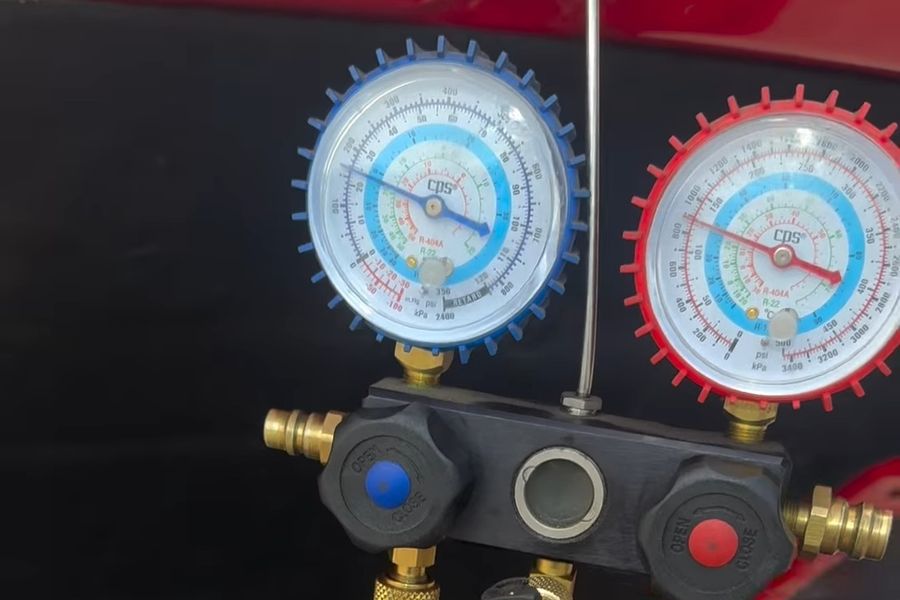
Engagement, pressures and noise.
Re-gas to spec
The correct refrigerant, restored to the manufacturer's specification.
If we find a leak or a faulty part, you get a quote for the repair before any work starts.
R1234yf or R134a: which is yours?
The refrigerant type is usually shown on a label under the bonnet. The two gases are not interchangeable: the Australian Refrigeration Council advises that R134a systems should not be converted to R1234yf, and R1234yf, which is classed as mildly flammable (A2L), needs its own dedicated equipment.
We re-gas both, so you don't need to know which one your car has. We check it when the car comes in.
Why the ARCtick matters
Under Australia's ozone protection and synthetic greenhouse gas laws, a workshop that services vehicle air-conditioning where R134a is used must hold an ARC refrigerant handling licence and a refrigerant trading authorisation. The rules exist because these gases harm the environment if they're vented.
All Car Care Centre: ARCtick AU44968. Our refrigerant trading authorisation is listed on the ARC's Look For The Tick register, along with a 2025 Environmental Stewardship Award.
The cabin filter: the simple fix
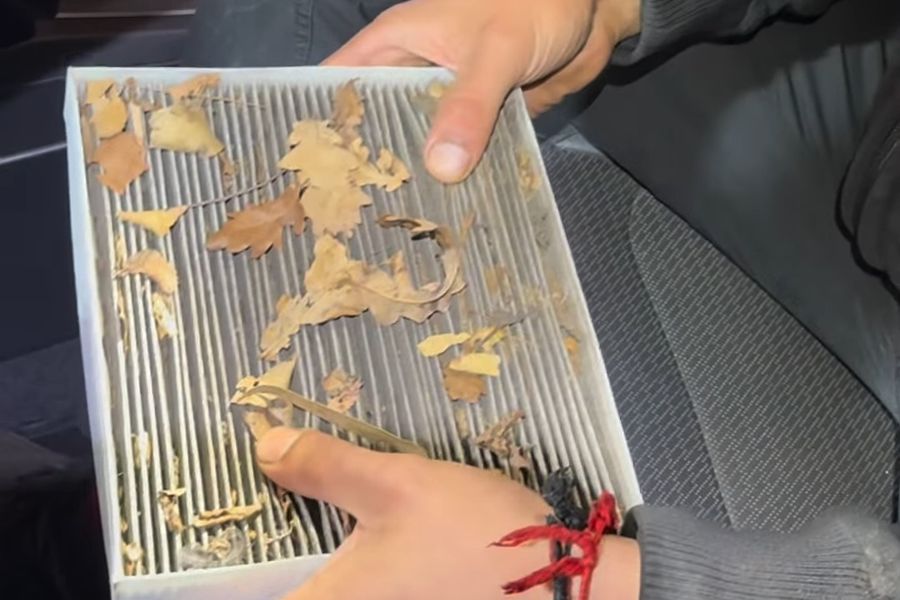
The cabin, or pollen, filter cleans the air coming through your vents. When it's clogged, airflow drops and smells can build up. We recommend replacing it every 15,000 to 20,000 km or once a year, and we can do it at the same visit.
Refrigerant guidance from the Australian Refrigeration Council: R1234yf refrigerant and automotive refrigerants.